

As Tyndall enters a pivotal decade for Ireland’s semiconductor ambitions, its newly expanded Executive Leadership Team is shaping a people‑centred foundation for the Institute’s next chapter of growth.
Among the four new leaders driving Tyndall 2030 is the Head of People and Culture, Claire Cooke, who is leading the transformation of Tyndall’s organisational culture and talent strategy.
From strengthening Tyndall’s position as an employer of choice to embedding a high‑performance, inclusive, and ‘People First’ culture, Claire is shaping the people strategy that will build the talent capability required to underpin Ireland’s semiconductor ecosystem, support industry growth, and sustain long-term national competitiveness.
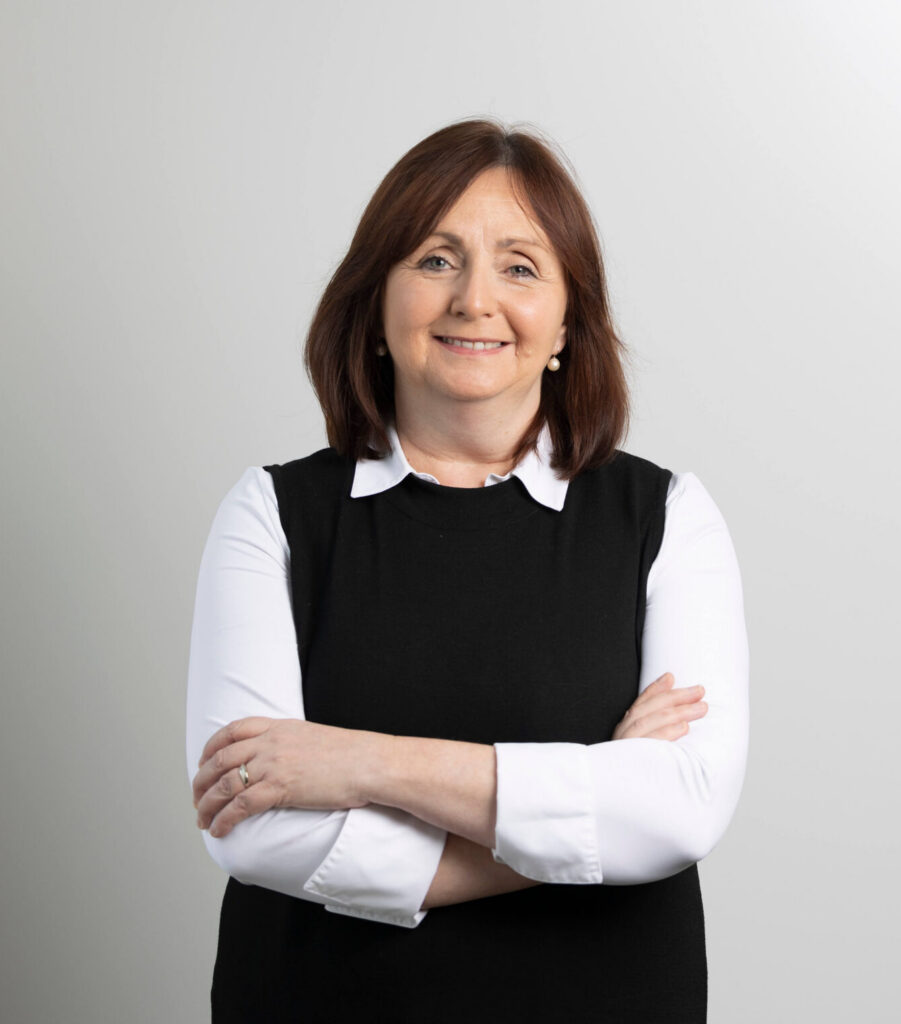
What is your current role?
As the Head of People and Culture at Tyndall, I play a key leadership role in enhancing organisational performance and fostering a high-performance culture. I work closely with senior leadership to ensure our People and Culture strategies align with Tyndall’s goals, focusing on talent attraction, retention, and development, as well as wellbeing and recognition, while fostering diversity and inclusion. I lead a dedicated and excellent team that supports employees throughout their journey, from onboarding to professional growth. I’m passionate about continuous improvement and building strong relationships with staff at all levels, ensuring that Tyndall remains a great place to work, study, and thrive while promoting a ‘People First’ culture.
What path led you here?
My journey has been shaped by a blend of experience, education, and a commitment to developing individuals and organisations. I started my career in banking, gaining strong organisational skills, before moving into Head of HR at Munster Rugby. There, I helped establish key HR functions and drove wellbeing and leadership programmes while fostering a high-performance culture. My academic achievements, including an MSc in Work and Organisational Psychology and an MA in Human Resource Management, have deepened my expertise further. I also have a Professional Diploma in Coaching and Mentoring. This combination of hands-on experience and continuous learning has equipped me with a strong skill set in leadership development, talent management, and organisational transformation.
What have been the highlights of your new role to date?
Stepping into this role has given me the privilege of seeing Tyndall through the eyes of our people. A few moments have stood out as especially meaningful:
- Getting to know our people – spending time with teams across the organisation has helped me understand the heartbeat of Tyndall and what makes our culture unique.
- Creating space for honest conversations – whether through listening sessions, informal drop-ins, or team workshops, hearing people speak openly about their experiences has been incredibly valuable.
- Seeing early wins take shape – small shifts in policy, particularly maternity, and collaboration are already making a difference, and it’s energising to see that momentum build.
What are your priorities for the next stage of Tyndall’s growth?
A key focus will be attracting and retaining exceptional talent by positioning Tyndall as an employer of choice and a true career accelerator for Ireland and beyond.
To strengthen our talent framework, I will prioritise building clear, agile development pathways across all job families, ensuring that every employee can see a future for themselves at Tyndall. This includes enhancing leadership capability, expanding training and coaching opportunities, and embedding a culture of continuous learning.
In support of our ambition to enhance innovation and entrepreneurship, I aim to cultivate an environment where creativity, experimentation, and entrepreneurial thinking are encouraged and rewarded. Empowering people with the skills, confidence, and support they need to excel will be central to sustaining this culture.
Finally, by amplifying leadership and culture, I will work to foster an inclusive, diverse, and values driven workplace that prioritises wellbeing, collaboration, and continuous improvement. This includes advancing Diversity, Equality and Inclusion (DEI) initiatives such as Athena Swan, progressing gender balance, and building a pipeline of ambitious, people centred leaders who create high performing teams.
Together, these priorities will create the conditions for sustained innovation, high engagement, and long-term organisational success.
What long‑term impact do you hope to make in your role?
In the long term, I hope to create a people centred legacy that strengthens Tyndall’s culture, elevates employee wellbeing, and embeds inclusion as a core organisational value. My aim is to help position Tyndall globally as an employer of choice, a place where top talent is inspired to join, empowered to grow, and proud to stay.
A key part of this impact will be advancing our DEI commitments, including meaningful progress on gender balance, supporting Athena Swan initiatives, and ensuring that diversity is reflected and valued across all levels of the organisation. I want to help build a workplace where every individual feels respected, supported, and able to thrive.
I also hope to leave behind a robust, agile talent framework that provides clear development pathways for all job families. By strengthening leadership capability, expanding training and coaching opportunities, and embedding continuous learning, we can create a pipeline of ambitious leaders who drive high performance and innovation.
Ultimately, my long-term impact will be measured by a culture that champions collaboration, wellbeing, and excellence; an engaged workforce that feels connected to Tyndall’s mission; and an environment where innovation and entrepreneurship are not just encouraged but expected. By amplifying our leadership culture and investing in our people, I aim to help build a sustainable, inclusive, and high performing Institute that is ready for Tyndall’s next chapter of growth.
Do you have a role model who influenced your career choice?
Many people have shaped my life, beginning with my mother, who was a strong female role model and consistently encouraged me to pursue my career. My husband and family have also been incredibly supportive, always giving me the confidence to go further in my career. In the workplace, a former manager served as a significant role model for me through their leadership style and approach to developing people. They continually encouraged me to develop and provided many leadership opportunities. Their support and confidence in me helped shape my leadership style and reinforced my commitment to driving positive organisational change. I’m grateful to them all, for their impact on my personal and professional growth.
What advice would you give your younger self?
I’d tell my younger self to stop overthinking and take action. Trust your instincts, take risks, and step outside your comfort zone, that’s where real growth happens. Pursue what you’re passionate about and find meaning in it. Surround yourself with positive, supportive people, keep learning, and embrace the challenges you encounter. Above all, believe in your abilities because you are more capable than you think! And finally make sure to have fun along the way!