

Ireland’s transition to a low‑carbon future is accelerating, driven by increased electrification across all sectors, the rapid expansion of renewable energy, advances in energy storage, the emergence of low carbon hydrogen, and the growing digitalisation of energy systems.
To support this national transition, the Future Irish Energy System Observatory (FIESO) is being developed to provide a unified, real‑time view of Ireland’s energy system. This new digital infrastructure will enable detailed analysis and strategic modelling of future energy scenarios, helping planners, researchers and policymakers understand how the system operates today — and how it may evolve in the years ahead.
Tyndall has been awarded funding by the Sustainable Energy Authority of Ireland (SEAI) to lead the FIESO project. Central to the initiative is the creation of a national data and visualisation platform designed to give users real‑time insight into the operation and behaviour of Ireland’s energy system coupled with laboratory facilities to explore the use of green hydrogen, generated from renewable energy, to decarbonise the energy system.
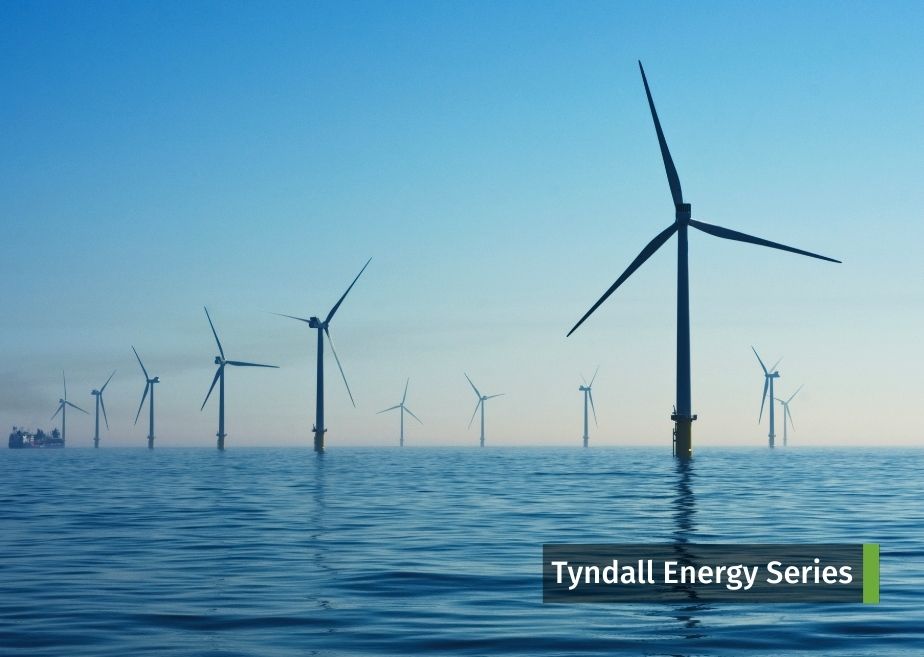
Modelling the Energy System of Tomorrow
As a collaborative hub, FIESO will support the development of future energy profiles for 2030 and beyond. These evidence‑based insights will feed into advanced modelling tools capable of analysing renewable‑dominated, storage‑rich and highly decarbonised energy scenarios across electricity, heat, transport and agriculture.
This modelling capability will help identify opportunities, constraints and practical challenges associated with Ireland’s evolving energy landscape, supporting better decisions for long‑term planning and investment.
A Hybrid View of Ireland’s Evolving Energy System
FIESO will look to augment and build on national dashboards, including EirGrid’s Smart Grid Dashboard and the Irish Building Stock Observatory (IBSO). Recognising that several emerging technologies are not yet widely deployed at scale, the observatory will also incorporate laboratory‑based models of key future systems.
These will include components such as floating offshore wind turbines, advanced energy storage solutions, and hydrogen technologies currently being developed at the Research Ireland MaREI Centre at UCC’s Beaufort Building in Ringaskiddy. The development of this infrastructure is supported by the Floating Wind Testbed integrated with Energy System Observatory (FLOWT-EOB) project programme which is co-funded by Research Ireland and the Sustainable Energy Authority of Ireland (SEAI). This hybrid approach ensures that the observatory reflects both real‑world infrastructure and the next generation of technologies set to play a central role in Ireland’s energy transition.
Dr Pádraig Lyons, Head of Group, IERC, based at Tyndall said:
The energy system of tomorrow will need to be resilient, decarbonised and affordable but it’s not without it’s challenges. FIESO gives us a new lens on today’s energy landscape and a platform to understand how we can transition towards an energy system powered by renewables, supported by long-duration energy storage technologies like hydrogen.