

As energy costs remain a top concern for Irish businesses, two research projects from Tyndall National Institute, ACTIVATE and INNOV8HEAT, are offering a timely lifeline. Funded by the Sustainable Energy Authority of Ireland (SEAI), these initiatives aim to develop tools and technologies to help companies cut costs, reduce emissions, and stay competitive in a rapidly changing energy landscape.
ACTIVATE: Making Energy Efficiency a Business No-Brainer
ACTIVATE (Accelerating Carbon Transition through Awareness and Quantification of Non-Energy Benefits of Energy Efficiency), awarded €155k, seeks to reframe how businesses think about energy efficiency upgrades. While most focus on the bottom-line savings from lower energy bills, ACTIVATE is evaluating other, often-overlooked co-benefits: improved operational reliability, reduced maintenance costs, healthier work environments, and enhanced brand reputation.
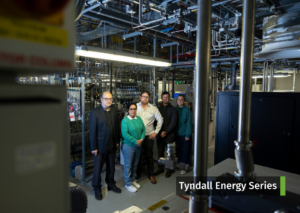
By developing a framework to quantify these “non-energy benefits,” the project aims to help industries and small and medium-sized enterprises (SMEs) to have a greater understanding of the benefits of energy upgrades and its benefits leading to faster returns and shorter payback periods. In a climate where every euro counts, this kind of clarity could eventually encourage many firms need to invest in sustainable upgrades.
Dr Pádraig Lyons, Head of Group, IERC, based at Tyndall said:
The viability for many energy efficiency upgrades in many businesses in on a knife edge. Considering and quantifying the non-energy benefits of these upgrades could push many more upgrades and investments in energy efficiency over the line accelerating the decarbonisation and supporting the sustainability of IrishSMEs.
INNOV8HEAT: Smarter Use of Ireland’s Renewable Surplus
Meanwhile, INNOV8HEAT, awarded €750k, is tackling a different challenge: how to harness Ireland’s growing surplus of wind and solar energy. Using advanced phase change materials, the project is researching ways to store excess renewable electricity as heat, releasing it when demand peaks. This reduces reliance on fossil fuels and helps businesses manage energy costs more effectively. The project led by Tyndall is a collaboration between Tyndall, Wind Energy Ireland, DC Six Technologies and Ireland Electrified Association.
What sets INNOV8HEAT apart is its use of artificial intelligence to model and optimise energy storage and release in real time. This smart system is being designed to respond dynamically to market signals and usage patterns, potentially offering industry a resilient, cost-effective way to meet their heating and cooling needs, a critical advantage as the costs of energy rise and volatility continues.
Dr Pádraig Lyons added:
Ireland’s onshore and offshore wind resource is a huge opportunity for domestic and commercial customers. However, the full value of this resource won’t be realised unless we begin to more closely match demand with renewable generation by exploiting the flexibility in other energy vectors, such as low carbon heat coupled with thermal storage.
A Timely Push Amid Budget Constraints
Both ACTIVATE and INNOV8HEAT arrive at a critical moment for Irish industry. While Budget 2025 introduced a €170 million Energy Subsidy Scheme, offering €4,000 to around 39,000 hospitality and retail businesses, many SMEs argued it fell short of addressing the structural energy challenges they face.
Budget 2026, however, signals a shift toward longer-term resilience. The government has committed over €1.1 billion to accelerate Ireland’s energy transition, including major investments in offshore renewable energy infrastructure and grid upgrades. These moves are expected to increase competition and put downward pressure on electricity prices for both households and businesses in the years ahead.
For businesses investing in sustainability, Budget 2026 also extends the Accelerated Capital Allowance scheme for energy-efficient equipment to 2030, and continues income tax reliefs for microgeneration exports and electric vehicles. These measures align closely with the research goals of ACTIVATE and INNOV8HEAT — helping firms not only reduce emissions but also unlock financial and operational benefits.
Meanwhile, the enhancement of the R&D Tax Credit to 35% and expanded thresholds for first-year payments are a direct boost for innovation-led projects in the energy sector. SMEs and scale-ups working on clean tech and energy solutions now have stronger incentives to invest in future-ready infrastructure.
Together, these policy shifts and research initiatives reflect a growing recognition: sustainability is no longer a side project, it’s a strategic imperative for Irish business.
Coming Up: Greener Fields Ahead
Next week, the series shifts focus to rural Ireland, where SEAI-backed projects like BioEnsights are exploring how farmers can turn sustainability into opportunity, from the ground up.