

Prof. Birgitte Bak-Jensen is a former Professor of Intelligent Control of Power Distribution Systems at Aalborg University and a leading expert in intelligent energy systems, smart grids and power distribution networks. She serves on the board of Tyndall National Institute and is internationally recognised for her contributions to developing intelligent, flexible and resilient energy networks that support the transition to a sustainable low-carbon future.
Throughout her career, Birgitte has worked at the intersection of energy, digitalisation and infrastructure, leading national and international research initiatives focused on renewable energy integration, demand response, and the interaction between electricity, heating and transport systems. Her work has helped shape new approaches to managing energy networks that are increasingly complex, ensuring that growing electricity demand, driven by factors such as the electrification of heat, transport and industry and datacentres, distributed energy generation and emerging technologies can be integrated efficiently, reliably and cost-effectively.
As European countries accelerate efforts to decarbonise their economies, Birgitte brings valuable insight into how advanced digital technologies, intelligent systems and collaborative innovation can support the energy transition. Her experience spanning research leadership, industry collaboration and energy system transformation provides an important perspective as Tyndall delivers its 2030 ambition to create sustainable semiconductor technologies that address key global societal challenges and contribute to a carbon free future.
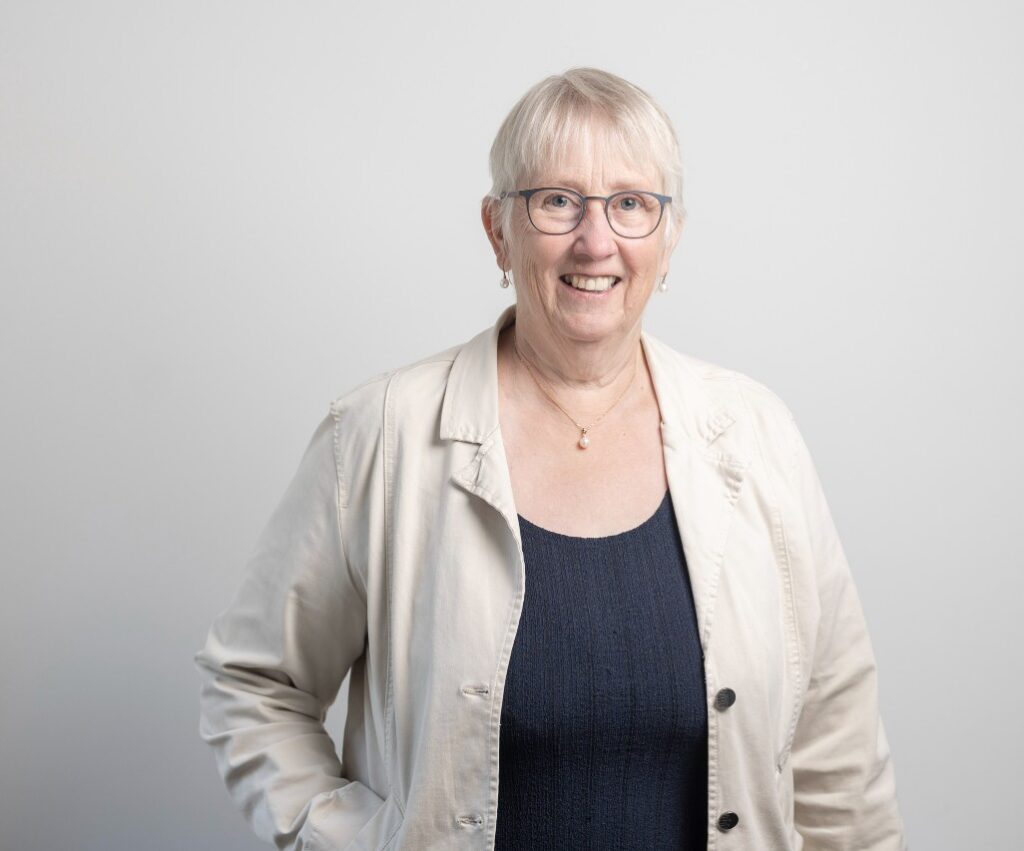
In this Q&A, Birgitte reflects on the role of intelligent technologies in enabling the energy transition, the importance of connecting research leadership with real-world applications, and the opportunity for Tyndall 2030 to position Ireland as a global leader in sustainable semiconductor innovation.
How does your experience in intelligent energy systems help shape Tyndall’s future direction?
Addressing major societal challenges, from climate change to energy security, requires expertise from multiple disciplines working together.
Tyndall’s strengths across heterogeneous integration, advanced packaging, disruptive materials-enabled innovation, next-generation communications and system-level semiconductor technologies position the Institute to contribute to some of the most significant challenges facing society today. From enabling smarter energy networks and more efficient power management to supporting advanced sensing and communications technologies, Tyndall has capability to develop innovative, sustainable semiconductor technologies that will be critical for a decarbonised world.
As a board member, I bring experience in connecting research with real-world energy challenges like that of energy and climate mitigation and understanding how innovation can be translated into practical solutions. This perspective has informed my contribution to the development of Tyndall’s research portfolio, helping to align research themes with emerging opportunities in areas such decarbonising computing and the semiconductor industry, how semiconductor technologies can be used to enable the energy transition and the use of all forms of energy storage to decarbonise industry and society as a whole.
2) What opportunities do you see for Tyndall over the next decade?
The energy transition presents a particularly significant opportunity. Future energy systems will rely on advanced monitoring, intelligent control and real-time connectivity to integrate renewable energy sources and improve efficiency. Tyndall’s research and infrastructure capabilities position it to play an important role in developing many of the enabling technologies required to support this transformation.
Equally important is Tyndall’s ability to bring together researchers, industry partners, policymakers and international collaborators to accelerate innovation and deployment. The most successful solutions emerge when research is combined with practical application and strong collaboration across the innovation ecosystem. Through the ambitions of Tyndall 2030, the Institute has an opportunity to become a convenor of partners and broker of collaborations, strengthening connections across academia, industry and government while positioning its world-class infrastructure as a shared national asset accessible to researchers and innovators across the globe.
By combining world-class research leadership with a focus on societal impact, Tyndall can strengthen Ireland’s position as a recognised leader in sustainable technology innovation, helping to develop the technologies that will power future industries, support climate action and improve quality of life for generations to come.
Download Tyndall Strategic Plan 2030
Tyndall is a partnership between the Department of Further and Higher Education, Research, Innovation and Science and University College Cork.